Red and gold, the branches bare,
A thousand leaves drift through the air.
They touch the ground, then disappear,
To feed the life that will return next year
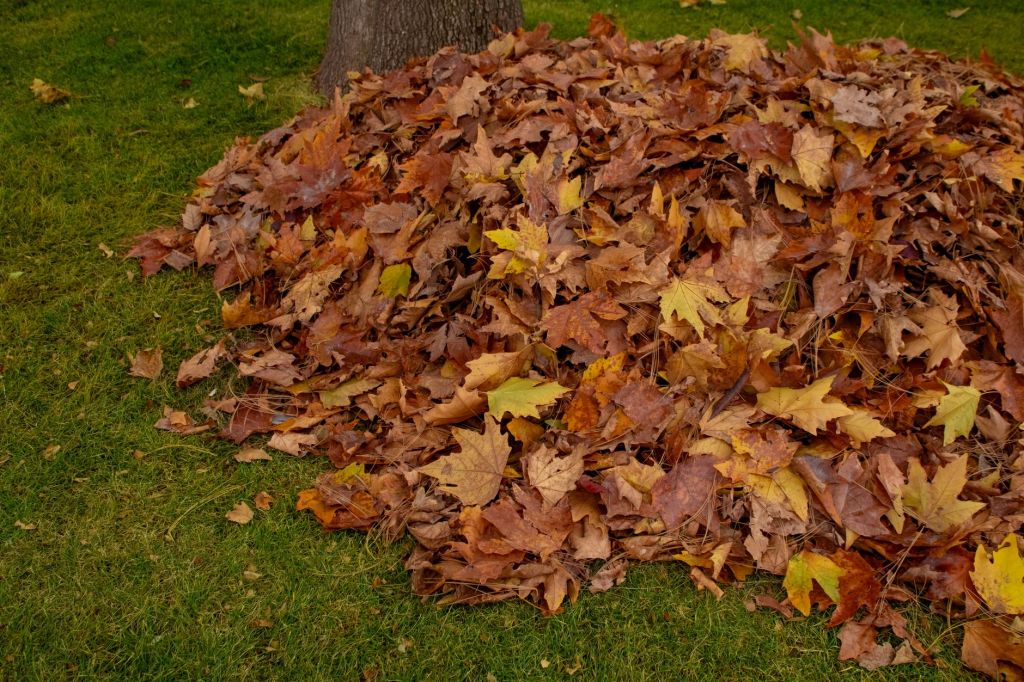
Every fall, the ground turns into a patchwork of red, orange, and gold. For a few weeks, sidewalks are covered in crunchy leaves, lawns disappear beneath colorful piles, and the air smells faintly of autumn. Then the cleanup begins.
Rakes scrape across lawns. Leaf blowers fill the air with noise. Bags pile up along the curb, waiting to be hauled away. What was once a colorful part of the landscape becomes something to get rid of.
Trees don’t drop their leaves by accident. For deciduous trees, shedding leaves is a way to prepare for winter, when cold temperatures and reduced sunlight make it harder to sustain them, and once those leaves reach the ground, their work isn’t over.
As fallen leaves break down, fungi, bacteria, and other decomposers gradually return their nutrients to the soil. This organic matter helps improve soil structure and supports the plants that will grow there in the future. Instead of needing to bring in as many outside resources to maintain a landscape, we can let part of nature’s own nutrient cycle do the work. (Rutgers Cooperative Extension)
And while many of us are preparing for winter by bringing out warmer clothes and closing our windows, countless small creatures are preparing for the cold in their own ways. Fallen leaves create a protective layer where insects and other organisms can find food, moisture, and shelter. Some butterflies and moths overwinter in or among leaf litter, while bumblebee queens and other insects rely on protected places near the ground to survive until warmer weather returns. (Rutgers Cooperative Extension; National Park Service)
Those tiny creatures are essential to our ecosystems. Insects pollinate plants, provide food for birds and other wildlife, and help keep ecosystems functioning. A layer of leaves that looks lifeless to us can be part of the habitat that allows those creatures to survive until spring, and removing every leaf means removing some of that habitat, too.
And there’s another benefit to leaving leaves where they can do their work. Leaf litter can help protect soil and slow the movement of rainwater across the ground. When leaves are removed and soil is left exposed, we lose some of that natural protection, so keeping leaves in appropriate areas can help support healthier soil and reduce runoff. (New Jersey Conservation Foundation)
So why do we spend so much time getting rid of them? Part of the answer is practical. Thick layers of leaves can block sunlight from reaching grass, smother smaller plants, and make walkways slippery. Fallen leaves can also cover storm drains or accumulate in places where they cause problems. And, of course, many of us have grown up thinking a tidy lawn is one without leaves, but leaving the leaves doesn’t have to mean abandoning yard work altogether.
They can be left in garden beds, beneath shrubs, or in other suitable areas where they provide shelter and gradually break down. Leaves covering a lawn can be mulched with a mower, or moved into garden beds rather than bagged and discarded. Where leaves are excessively thick, they can be redistributed to avoid smothering plants, and leaves affected by certain plant diseases may need to be removed rather than left in place. (Rutgers Cooperative Extension; Iowa State University Extension)
Even a small change in how we manage our yards can make a difference. We don’t need to leave every leaf on every sidewalk or let our lawns disappear beneath a thick blanket. We just need to recognize that a little untidiness can have a purpose.


Leave a Reply