Between the sidewalk
And the stone,
A tiny flower
Finds a home.
Some call it stubborn.
Some call it free
Either way, they’re growing on me
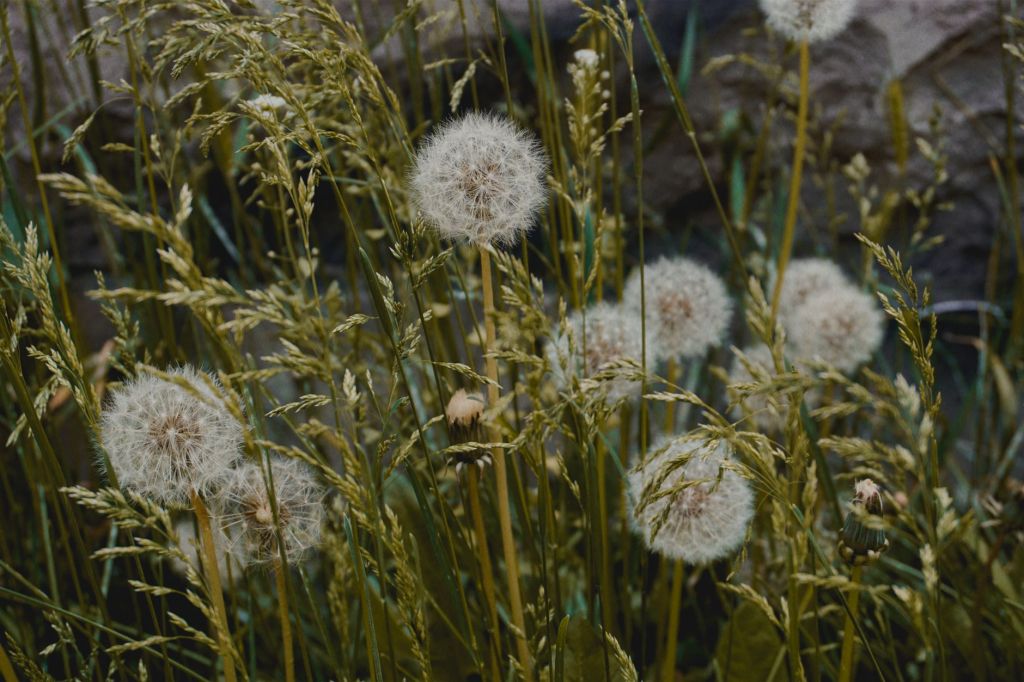
When I was younger, I loved making wishes on dandelions. I’d blow the tiny white seeds into the wind and watch them drift away like little parachutes, carrying my secret hopes and dreams. It was one of those small childhood traditions I never really questioned. Years later, I learned that the same plant I’d once spent afternoons searching for was something most people were trying to get rid of. They were weeds.
It’s strange how quickly a flower can become something we’re taught not to want. A weed isn’t actually a scientific category. There’s no branch on the tree of life labeled “weeds”. Instead, a weed is simply a plant growing where humans don’t want it. The same species can be admired in a meadow, planted intentionally in a pollinator garden, or pulled from a perfectly manicured lawn.
Many plants we call weeds share a remarkable set of traits. They grow quickly, produce enormous numbers of seeds, tolerate poor soil, and thrive in places where other plants struggle. Disturbed environments, like construction sites, roadsides, sidewalk cracks, abandoned lots, and gardens, create opportunities that these plants have evolved to exploit (U.S. Department of Agriculture).
Take the common dandelion. Each flower head can produce hundreds of seeds, and a single plant may produce thousands over the course of a season. Those familiar white seed heads are apparently for more than carrying children’s wishes; they’re tiny parachutes designed to let the wind carry seeds to entirely new places (Royal Horticultural Society).
Other weeds spread underground. Plants like crabgrass and bindweed develop extensive root systems that make them difficult to remove completely. Even if the visible plant disappears, roots left behind can produce new shoots weeks later (University Extension publications).
Deep-rooted plants can break up compacted ground, while others stabilize bare soil and reduce erosion after disturbances. Clover, often treated as a lawn weed, naturally adds nitrogen to the soil through a partnership with bacteria that live on its roots, enriching the soil for neighboring plants (U.S. Department of Agriculture Natural Resources Conservation Service).
Of course, not every weed is harmless. Some are invasive species that spread aggressively outside their native range, crowding out local plants and disrupting ecosystems. Others are simply native plants growing where we don’t want them.
They’re examples of nature doing exactly what it has always done: adapting and evolving. The dandelions I made wishes on were never trying to ruin someone’s lawn. They were simply doing what they had evolved to do.


Leave a Reply