The summer sun shines,
the pavement glows,
We close every window
and cool what we know.
But the colder we make
the rooms where we stay,
The more heat we send
back outside each day.
On the hottest days of summer, there is a moment I look forward to more than almost anything: walking inside. I await the familiar rush of cool air as the room begins to feel lighter and easier to breathe in. The air conditioner hums somewhere in the background, doing a job so ordinary that I barely notice it.
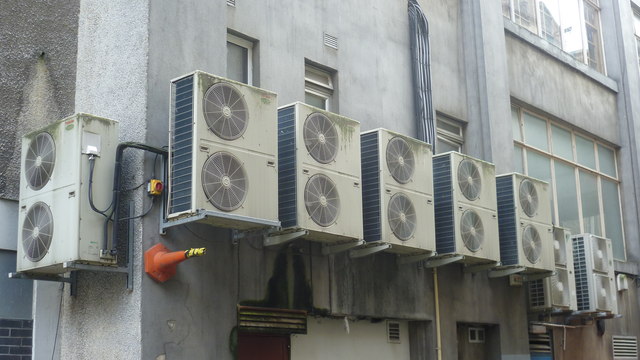
Despite how it feels, an air conditioner does not actually create cold. Instead, it removes heat from inside a building and releases it outdoors. Refrigerant carries heat through the system, allowing the indoor air to become cooler while the heat is pushed out, creating a room that feels comfortable even when the world outside does not.
In today’s warming climate, access to cooling can be a matter of safety as extreme heat is a serious health risk. Prolonged exposure to high temperatures can put stress on the body and increase the risk of heat-related illness, especially for older adults, young children, outdoor workers, and people with certain health conditions (World Health Organization). During heat waves, the WHO even recommends spending time in a cool or air-conditioned place when possible.
So air conditioning presents a strange environmental paradox. The hotter it gets, the more we need to cool ourselves. But the more we cool ourselves, the more electricity we use.
According to the International Energy Agency, cooling already accounts for around 10% of global electricity consumption, but because air conditioners are often running at the same time during the hottest parts of the day, cooling can account for around 30% of peak electricity demand. The IEA believes that cooling demand will continue to grow, with more frequent and intense heat waves adding even more pressure on electricity systems, creating a never-ending cycle.
So maybe the goal shouldn’t be a world where we use less air conditioning at any cost, but rather a world where we need less of it to begin with.
The design of a building can make an enormous difference. Shade from trees, reflective roofs and materials, well-placed windows, insulation, and natural ventilation can all reduce the amount of heat that enters a building in the first place (World Health Organization).
Technology can help, too. More efficient air conditioners and heat pumps can provide cooling while using less energy. An air-source heat pump, for example, can move heat rather than generating it directly, allowing a single system to provide both heating and cooling with high efficiency (ENERGY STAR).
The hum of an air conditioner is easy to ignore, but maybe, sometimes, we should listen.


Leave a Reply