The wind still moves the leaves,
The sun still warms the ground,
But something once between them both
Has quieted its sound.
One morning, I was walking outside early. The sky was pale and the air still cool, but the soundscape felt strangely thin. A few birds called from somewhere down the block, a distant car passed, and then there was mostly… nothing. Not really silence, but a kind of emptiness where layers of sound should be.
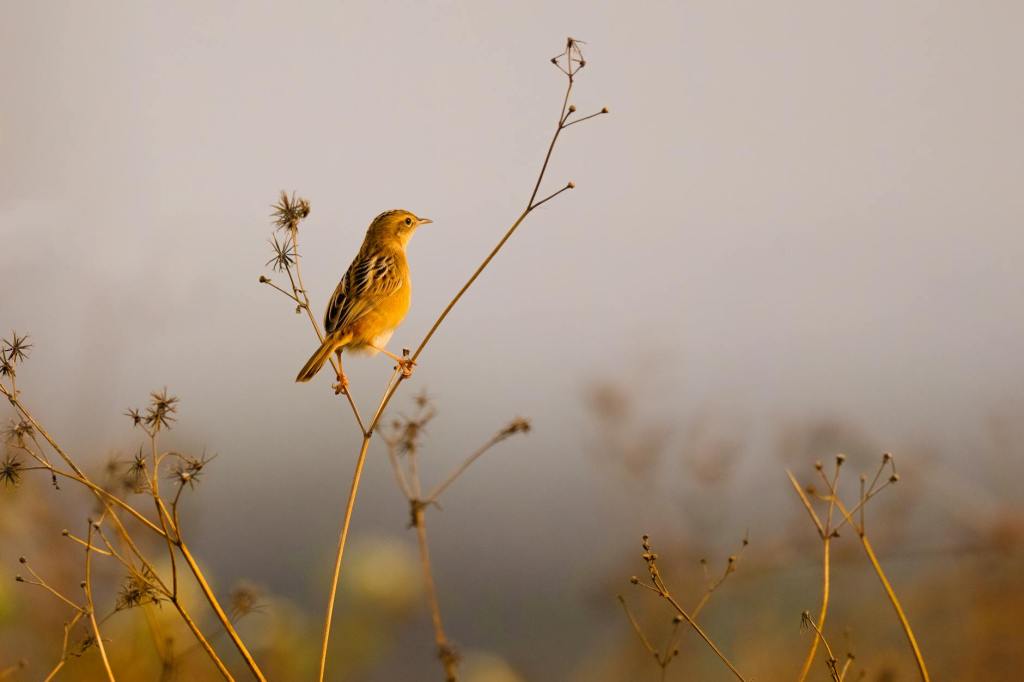
Birdsong used to fill mornings in many places. Different species called at different times, creating a natural rhythm that marked the beginning of the day. Ecologists sometimes refer to this as the dawn chorus, when birds are most active and vocal.
But in many places, that chorus is getting quieter as habitat loss, climate change, pesticide use, and urban expansion have reduced bird populations across North America. According to research published in Science, the continent has lost nearly three billion birds since 1970. When fewer birds exist, the landscape literally becomes quieter.
Urban environments also introduce a different kind of noise through traffic, construction, aircraft, and air conditioners humming through summer nights. These sounds can drown out animal communication. Some birds have even adapted by changing the pitch of their songs so they can be heard over traffic. But even adaptation has limits.
Species that depend on specific habitats or quiet environments often disappear first. Wetlands drained for development lose frogs and insects whose nighttime calls would usually fill the air. Forest fragmentation disrupts the territories of songbirds. Even insects, which make up much of the background hum of summer evenings, are declining in many regions.
The result isn’t really that dramatic, but it is noticeable if you stop and listen. The morning is slightly quieter. There are fewer crickets at night. The wind and distant cars outnumber the birds.
Sound is one of the ways ecosystems reveal themselves. A healthy landscape is rarely quiet. It buzzes, chirps, trills, and rustles. Each species adds its own note to a kind of living soundtrack. When those sounds fade, it tells us that something is missing.
 the nature diaries
Leave a comment