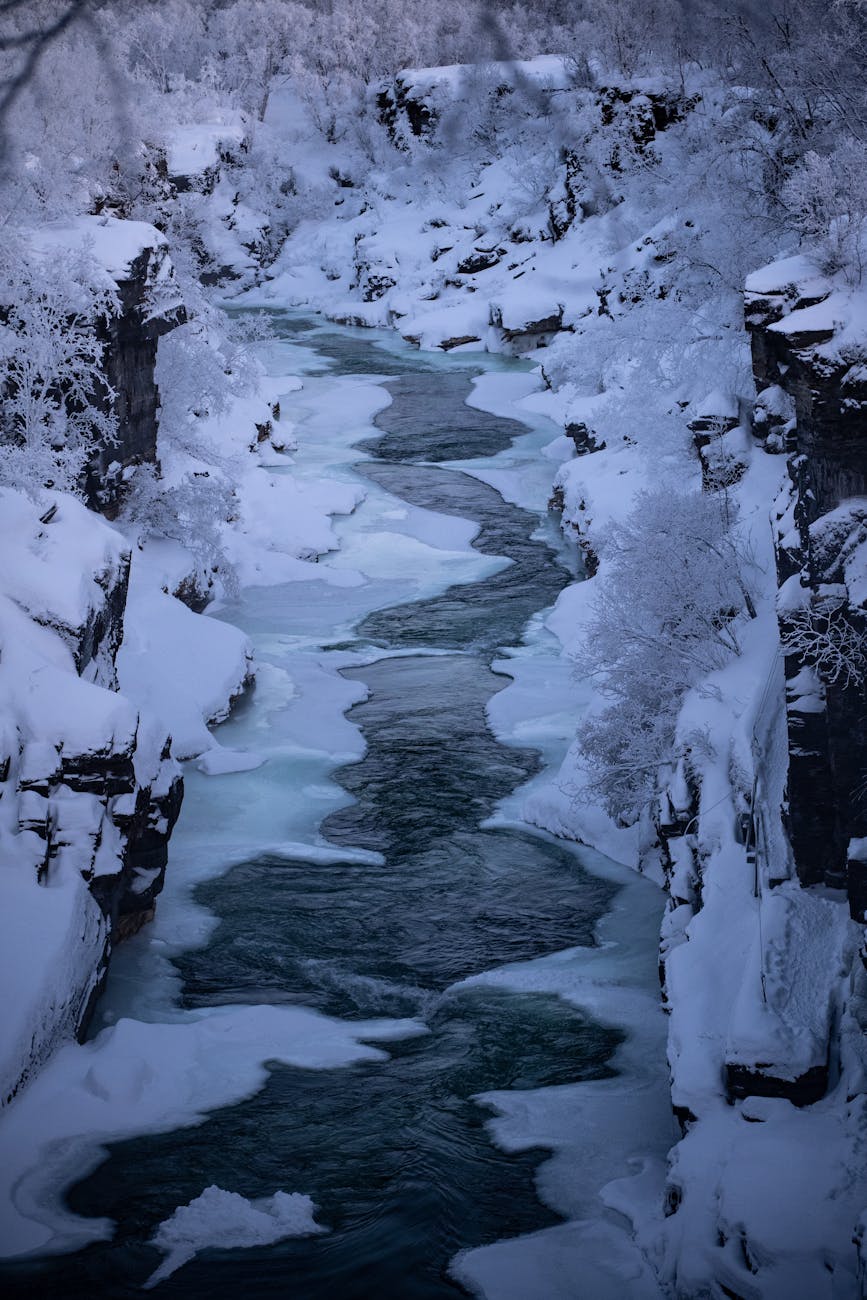
A white blanket covers the streets
Icicles hang from the trees.
Snow falls where water should flow,
A frozen landscape hidden below.
Winter lies heavy, spring comes to remind
That water once wasted is hard to find.
I can’t decide if I’m thrilled or annoyed by this snowstorm. On one hand, I got a few days off from school. On the other hand, it is way too cold. Snow is piling up outside my window, and part of me wants to play in it while another part just wants to avoid it forever. Watching it fall makes me think about how strange it is that something so abundant here can be so scarce somewhere else.
While my street is buried in snow and at risk of flooding, icy roads, and bursting pipes, there are regions struggling with drought, rivers running dangerously low, or communities lacking safe drinking water. The same water can be too much or too little, depending on where you are and how we’ve built systems to handle it.
Climate change has exacerbated this preexisting paradox. Heavy snowfall, extreme rain, and prolonged dry periods are no longer unusual. Our water systems, both natural and human-made, are under strain, and the consequences are distributed unevenly. Where infrastructure is strong, the snow melts and drains, but where it’s weak, rivers flood, and streets wash out.
Small personal choices like conserving water, reducing pollution, and planting in ways that retain runoff are part of how we interact with these cycles. However, real solutions require systemic change, such as investments in infrastructure and urban planning that respect the natural flow of rivers and rain.
Watching the snow pile up this week, I realize how connected all of this is. A simple winter storm here is part of a global system that causes drought somewhere else. This storm made that more obvious than ever.
 the nature diaries
Leave a comment