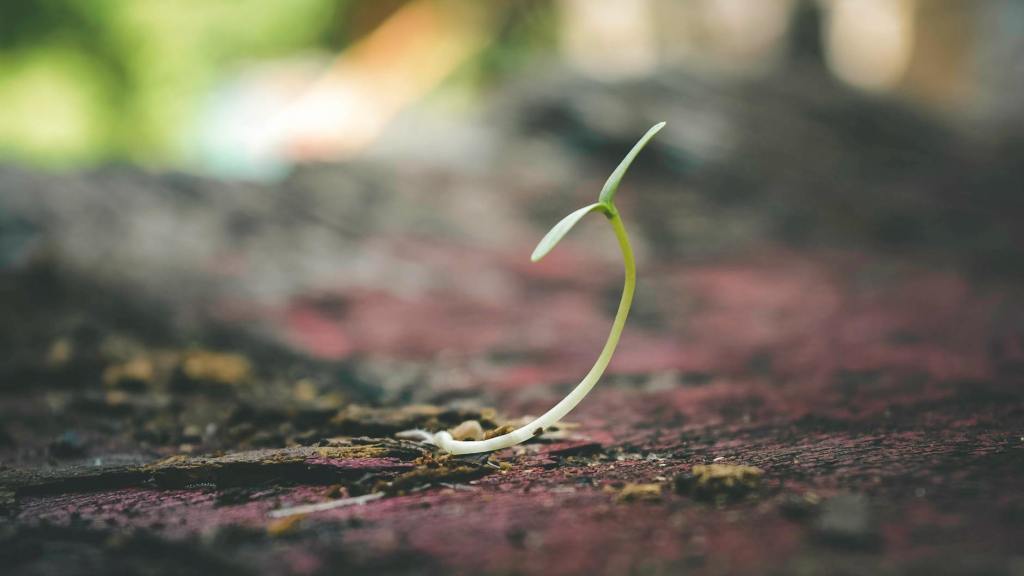
Pressed into soil, small and quiet,
Easy to miss, easy to deny it.
No promise made, no guarantee,
Just hope in dormancy.
Growth doesn’t yell out or rage,
It starts as seeds of change.
I’m not much of a gardener. I forget to water things, I second-guess where the sun actually hits, and I’ve even managed to kill a succulent or two. But I haven’t given up. I love how plants take over a space and make a room feel brighter. Gardening, for me, is more about trial and error than actual talent.
And that’s exactly what makes seeds so amazing to me; they don’t demand perfection. They just ask for enough care to get started. You plant them, walk away, and trust that something is happening even when you can’t see it.
In that way, gardening mirrors change itself. Environmental progress is often framed as a massive, immediate transformation, through sweeping policies, global agreements, and dramatic before-and-after photos. But in reality, it begins with planting a seed and trusting a process we can’t fully control.
On a larger scale, seeds are deeply political. Who has access to them, who controls them, and what gets planted where shapes food systems and biodiversity, and impacts community health. Industrial agriculture prioritizes uniformity and profit, often at the expense of soil health and genetic diversity, while native plants and community gardens protect ecosystems and strengthen local resilience. Additionally, native plants support pollinators and require fewer resources than ornamental or invasive species.
What I appreciate most about seeds is their patience. They don’t rush. They respond to the conditions they’re given. In a world that demands urgency and instant results, seeds teach us a different model of activism, rooted in consistency and faith.
 the nature diaries
Leave a comment