Clean counters, citrus air,
Promises printed everywhere.
“Fresh” and “safe” in plastic sheen,
But what’s inside is rarely clean.
Change begins where we live,
With what we choose to give.
I used to think cleaning was simple: grab whatever bottle was under the sink, spray until the smell was strong enough to convince me it was working, and move on. The stronger the scent, the cleaner it felt. It wasn’t until I actually read the labels, or tried to, that I realized how much mystery we’ve accepted in the name of convenience.
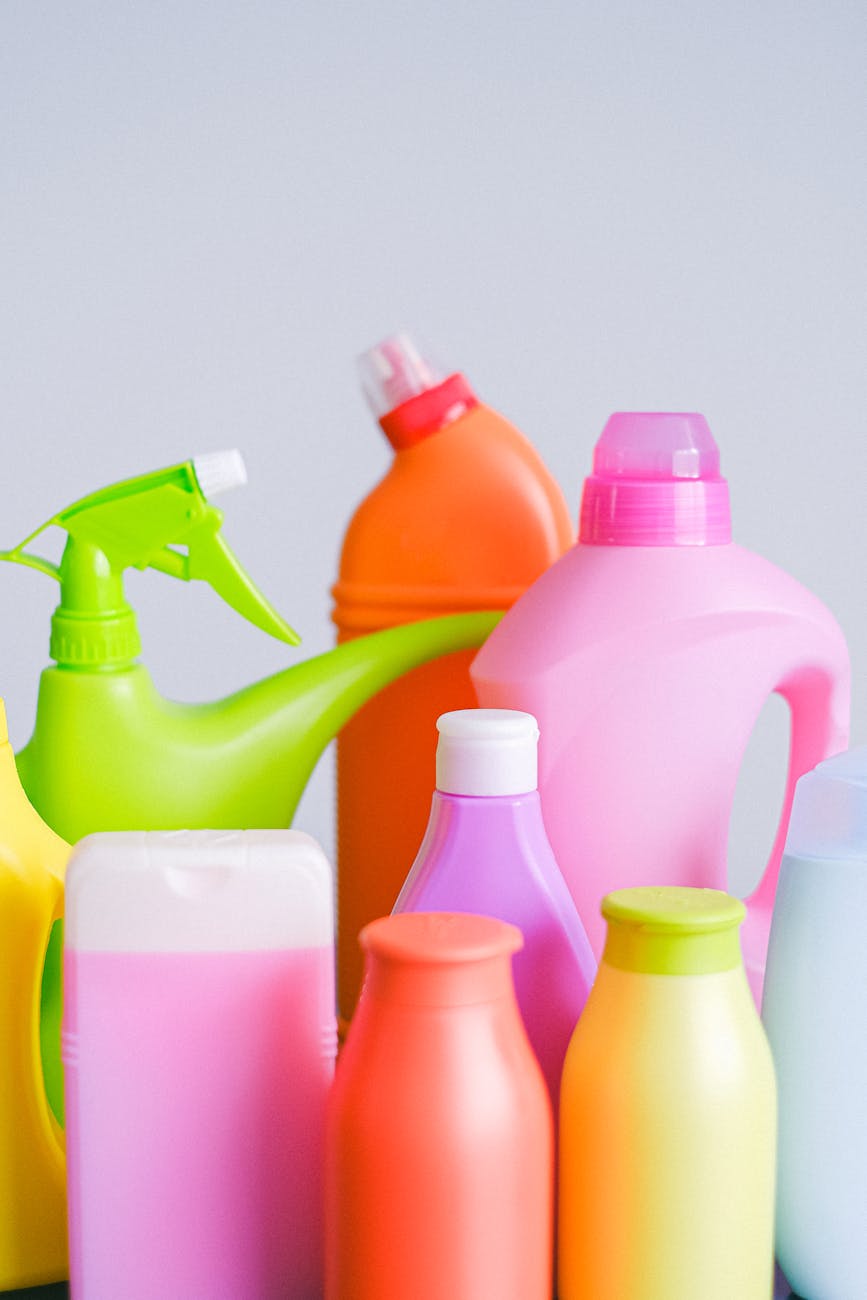
Most conventional cleaning products are chemical cocktails. Many contain volatile organic compounds (VOCs), synthetic fragrances, and disinfectants that linger in the air even though the surface may look clean. These chemicals end up in waterways, indoor air, and, eventually, our bodies. The irony is that products meant to make our homes healthier are usually doing the opposite.
Instead of relying on harsh chemicals and plastic-heavy packaging, we can use DIY green cleaning. It uses simple, familiar ingredients like vinegar, baking soda, castile soap, and lemon to do the same job with far fewer environmental and health costs. These ingredients break down more easily, reduce indoor air pollution, and don’t require endless single-use bottles.
These solutions are surprisingly effective. Vinegar cuts grease and kills many bacteria. Baking soda scrubs without scratching. Lemon acts as both a degreaser and a deodorizer. When combined properly, they cover most everyday cleaning needs, and unlike store-bought cleaners, it’s easy to tell what’s going into them and where they’ll end up afterward.
Additionally, the manufacturing and disposal of conventional cleaning products disproportionately affect communities near chemical plants and waste facilities. DIY helps us to take control over our personal wellness and allows us to reduce demand for an industry that externalizes its harm onto people who rarely benefit from it.
DIY green cleaning isn’t perfect, and it doesn’t mean you have to replace every product overnight, but refilling a spray bottle instead of buying a new one, swapping one cleaner at a time, or questioning the idea that “clean” has to smell like chemicals can make a difference, even if it’s only a small one.
 the nature diaries
Leave a comment