Buzzing lives
tiny wings,
Every bloom
a song it sings.
Protect their flights
honor their part,
Guardians of earth,
close to our heart.
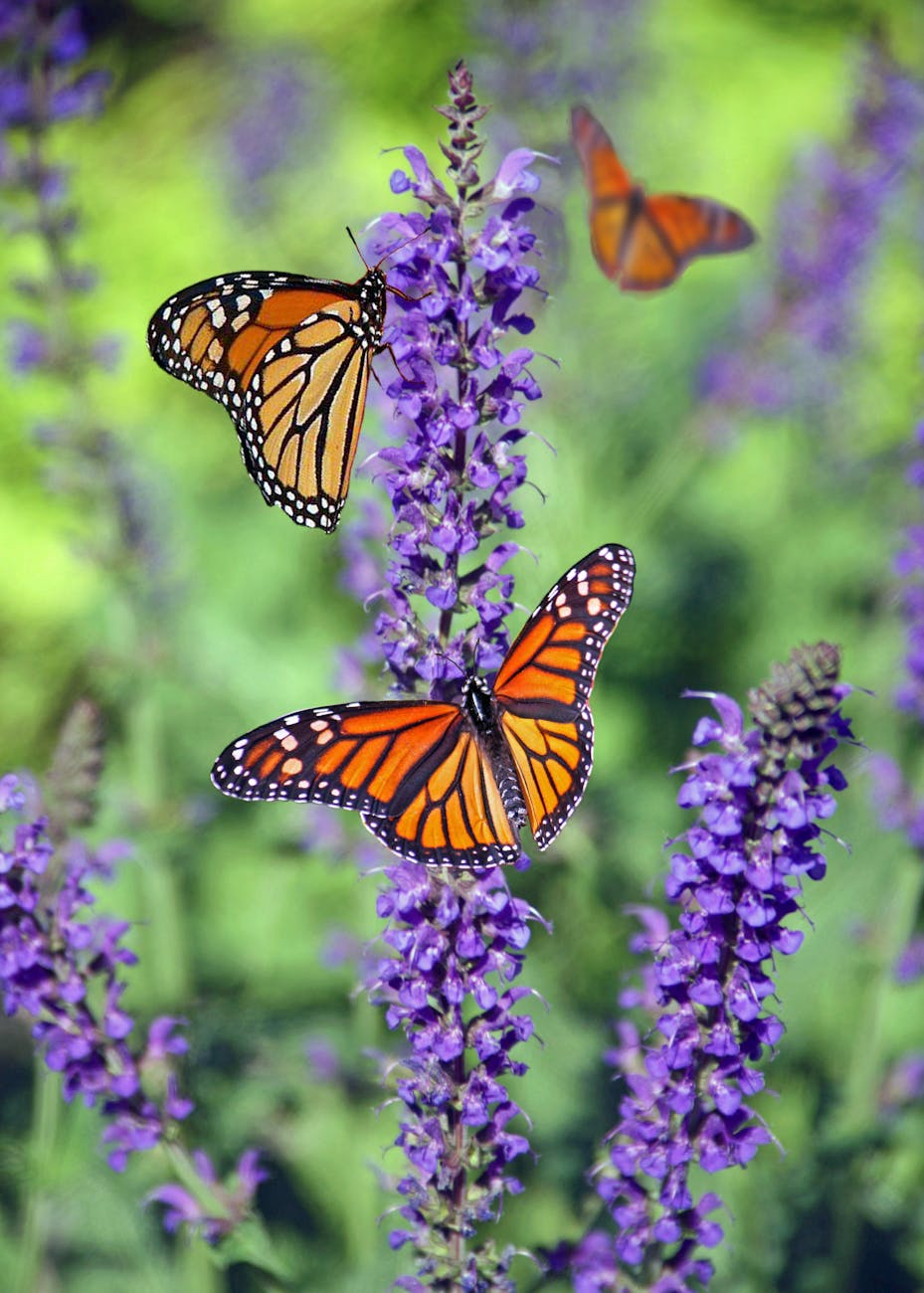
When I was in first grade, every student in my class had the chance to raise a few monarch butterflies, from cocoon to the moment they were released. I watched mine grow, eat, and live its tiny life, and from that moment, I formed a special attachment to butterflies. Learning even then about the threats to monarchs made me very sad. Now, as someone who can take action, I feel a sense of purpose in protecting them, and the little kid in me couldn’t be happier. Pollinators are small, but they play a huge role in the ecosystems around us, and their decline has ripple effects that touch everything from gardens to global food systems.
Pollinators, from bees to butterflies and hummingbirds to bats, are responsible for fertilizing flowers and helping plants reproduce. Without them, fruits, vegetables, and countless wild plants would struggle to survive. Even locally, the difference is noticeable: when pollinators thrive, gardens bloom abundantly, local farms produce more food, and the ecosystem hums along in balance.
Yet pollinators face an uphill battle. Habitat loss, pesticide use, climate change, and invasive species all threaten their survival. Studies show that bee populations are declining dramatically, and butterflies, once common in local fields, are becoming harder to spot. Chemicals in soil and water, including microplastics and industrial runoff, add another invisible threat. Seeing fewer pollinators in my own neighborhood made me realize just how fragile these systems really are.
The good news is that there are simple ways we can help. Planting native flowers and trees provides food and shelter. Reducing or eliminating pesticide use protects these creatures from harmful chemicals. Supporting community gardens, local farms, and pollinator-focused projects strengthens habitats across towns and cities. Even small acts, like leaving a patch of your yard wild or building a bee hotel, can create safe spaces for pollinators to thrive.
What inspires me most is how individual actions can ripple outward. One school garden can teach hundreds of students about pollinators. One backyard can feed dozens of bees and butterflies. One community initiative can create a network of habitats across a neighborhood.
Pollinators are tiny, but their impact is enormous. By noticing them, protecting them, and creating spaces where they can flourish, we take part in a movement that is both personal and global. Every flower planted, every chemical avoided, and every patch of wild space preserved is a small act with a big effect.
 the nature diaries
Leave a comment