Pumpkin spice
And everything nice
Christmas time
Sleigh bells chime
Nature writes the calendar
We are just passengers
I used to think of the seasons as predictable: summer is hot, winter is cold, spring is green, and autumn is brown. Summer is for the beach, and winter is for Christmas. Spring is for picnics, and autumn is for overpriced drinks. It’s a routine, one I follow and base my life around every year without fail. Lately though, that rhythm feels uncertain. The hydrangeas in my garden bloom weeks early, the pond in my town freezes weeks late, and it still feels sunny in the middle of November. The schedule I relied on as unwavering in its consistency is more unsure than ever, and it feels like an awakening.
These changes aren’t just weird; they’re the signs of a warming world. These unpredictabilities are known as phenological shifts, defined as changes in the timing of natural events caused by climate change. In my own everyday life, I can see evidence, and these small shifts ripple outward, affecting more than just my outfit choices. They influence pollinators, local wildlife, and even human communities by extension.
When plants bloom earlier than usual, pollinators like bees and butterflies may emerge at the wrong time, missing critical food sources. Similarly, animals that rely on fruits, seeds, or insects for sustenance may face scarcity, and humans can experience changes in crop yields, local food availability, and ecosystem services we often take for granted as a result of these discrepancies.
One way that we as people can help bring awareness is through tracking seasonal changes from the comfort of our own homes. By keeping a seasonal nature diary, in which you can record first blooms, first bird songs, first snow, and more, we can create data that matters and stories to inspire action. Citizen science initiatives like Project BudBurst and Nature’s Notebook do this exact thing with people across the country and demonstrate how everyday observations can contribute to understanding global climate patterns.
However, awareness on its own is not enough. Observing these changes also brings about a responsibility. Doing things like planting native species, supporting pollinators, and protecting green spaces are small, but vital actions that contribute to the health of the planet and the resilience of the ecosystem.
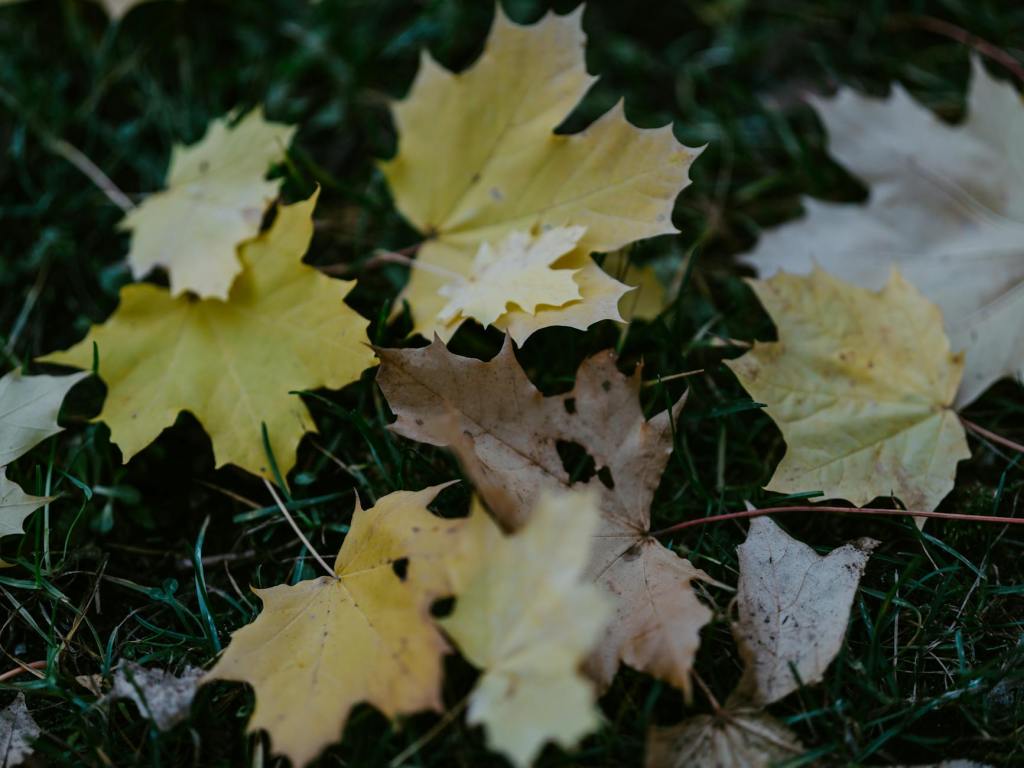
As I watch the season shift from fall to winter, as late and as slow as it’s coming, I am reminded that nature is never static. The Nature Diaries exists to make these connections visible, to notice the small signs in our everyday lives, reflect on their meaning, and act in ways that safeguard the world around us.
 the nature diaries
Leave a comment