It’s just a wash,
just clothes, just clean
But plastic hides
in threads unseen
Invisible,
yet everywhere
Change begins
with what we wear
When I first learned that my favorite sweater might be polluting the ocean, I thought it was a joke. How could something so soft and cozy be part of the same problem as oil spills and plastic bottles?
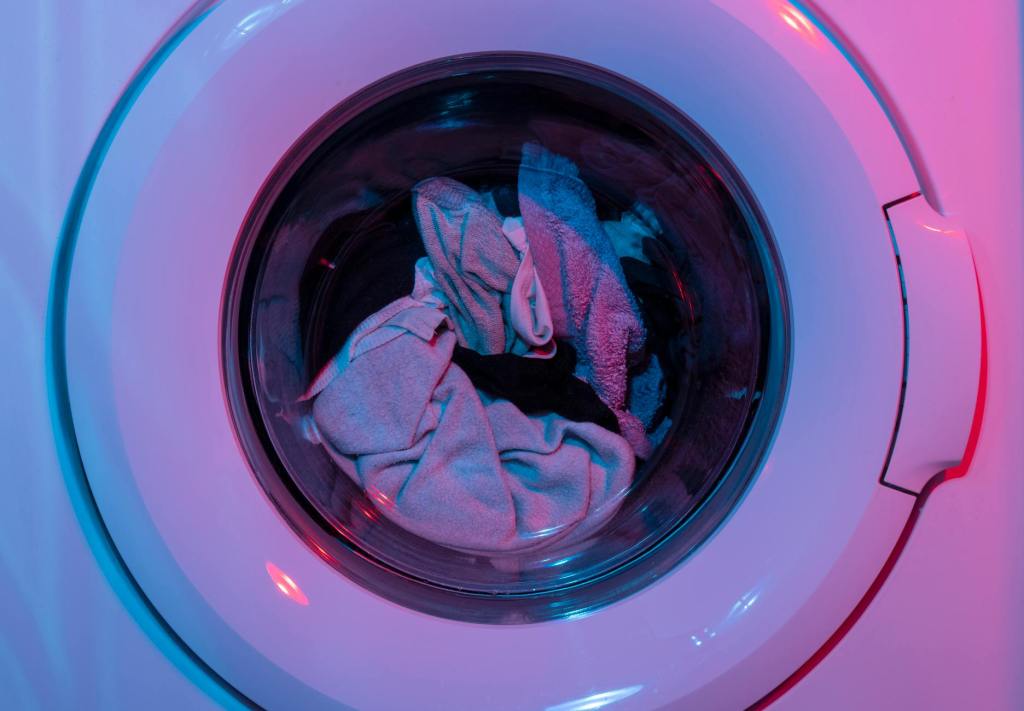
But the truth is, every time we wash synthetic fabrics, such as polyester, nylon, and acrylic, they shed tiny strands of plastic called microfibers. A single load of laundry can release up to 700,000 of these microscopic threads into wastewater. Because they’re so small, most treatment plants can’t filter them out, allowing them to slip through the system and flow into rivers, lakes, and eventually, the ocean.
The technical definition is simple: microfibers are plastic particles under 5 millimeters long, shed from synthetic clothing. These fibers don’t biodegrade. They drift through ecosystems, carrying toxins, invading the stomachs of marine life, and appearing in drinking water across the world. They’re in mountain snow, in deep-sea trenches, and even in human blood. Pollution is no longer just from oil slicks and smokestacks – it’s hiding in places as familiar to us as our laundry.
Fast fashion has supercharged this problem. Global clothing production has doubled since 2000, with cheap synthetic fabrics dominating the market. Polyester, a form of plastic, now makes up over 60% of the world’s textiles. Every new shirt, jacket, or fleece adds to the pollution.
And yet, responsibility remains blurry. Clothing companies blame consumers for overwashing. Washing machine manufacturers say it’s not their fault. Municipalities say they can’t afford to retrofit plants. Meanwhile, the fibers keep flowing. While there are filters and washing bags that can help, they’re small fixes for a much larger issue.
Some countries are beginning to act. France, for example, passed a law requiring all new washing machines to include microfiber filters by 2025. Environmental groups like The Story of Stuff Project, Plastic Soup Foundation, and Patagonia’s Stop Microfiber Pollution Initiative are pushing for global action. They are calling for better materials, stronger filtration systems, and stricter manufacturing standards.
However, real change needs more than just awareness.. Fashion brands need to treat microfiber pollution not as an unfortunate side effect, but as an environmental crisis they’re responsible for. Unfortunately, like many forms of pollution, microfibers are invisible, and what we can’t see, we rarely prioritize.
This issue is important to me because it’s a reminder that harm doesn’t always look evil. Pollution doesn’t always come with a warning sign or a toxic smell. It can be hidden in the things we love: our clothes, our comfort, our daily routines. But love doesn’t make the problem go away, and sometimes, being better means letting go.
And that’s what the nature diaries are all about. Uncovering the small, quiet ways we impact the world, and the equally small and powerful ways we can choose to do better, because awareness alone isn’t the goal. Change is.
 the nature diaries
Leave a comment