Plastic
The sand between my toes
Blood
The glass wedged in my foot
Clean-up
Leave it like you found it
Love
Don’t litter, save the turtles
Ah, the Jersey Shore. Home, sweet home. If it’s not clear already, this week’s topic is beach pollution – a lighter topic than normal, but no less serious.
The primary causes of this pollution are runoff from rain/snow, fields, and paved surfaces, as well as trash and sunscreen. A polluted beach poses a significant public health risk and a financial threat, as it can negatively impact property values and hinder the community’s economic growth.
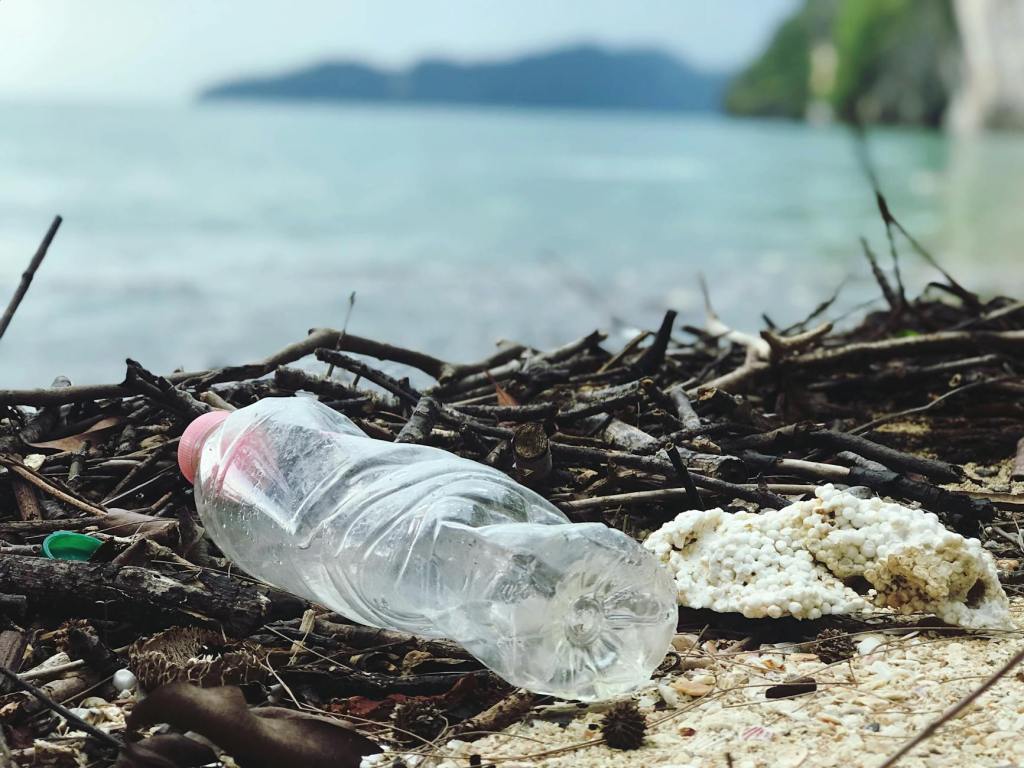
Living in Jersey means that I’ve spent quite a bit of time at the well-known Jersey Shore, and I’ve seen firsthand the kind of impact litter has on the beach. Not only is it an eyesore and a mood-killer, but it also harms wildlife, humans, the economy, and the ecosystems.
Things like plastic pollution, like bottles, bags, straws, fishing nets, microplastics, cause serious harm to marine life, and chemical pollution from agriculture (pesticides, fertilizers), industrial waste, and oil spills, sunscreen chemicals harm coral reefs.
Chemical pollution, along with poorly treated sewage released into coastal waters and the release of marine debris, can lead to high levels of bacteria in the water system, causing illness.
Both water and shore pollution on the beach are incredibly harmful to the planet, creating health risks from released bacteria and chemicals, coral reef damage, a loss of biodiversity, reduced tourism revenue, and increased clean-up costs, and posing severe hazards for wildlife.
I like to end on a hopeful note by highlighting the positive efforts being made and what more we can do to protect our beaches. One of the most effective actions is participating in or organizing beach cleanups. These not only help remove waste but also raise awareness and provide valuable data on pollution trends.
Spreading awareness about the impacts of littering, plastic use, and the importance of proper recycling is equally essential. Encouragingly, many beaches have already taken steps to improve waste and recycling infrastructure, which is a promising sign of progress.
Lastly, simple choices, like using reef-safe sunscreen and opting for reusable items, can make a meaningful difference, especially when visiting coastal areas. Every small action contributes to a cleaner, healthier future for our oceans.
 the nature diaries
Leave a comment