Superfund
It is not super fun
I have bad hearing
Factory
Out of sight, out of mind
The responsibility is not mine
Community
Speak up, speak out for change
It is up to us
One of the first things I learned as a volunteer at my local wildlife reservation was: “Don’t eat anything that grows in New Jersey.” Despite being known as the Garden State, the soil in Jersey is dangerously polluted and pockmarked with cancer-causing toxins, where any wild vegetation could be poisoned and any free water could be contaminated.
The worst of these areas are known as Superfund sites, and they’re horrible.
The technical definition of a Superfund site is a location contaminated with hazardous substances that the EPA is cleaning up under the Comprehensive Environmental Response, Compensation, and Liability Act (CERCLA), better known as Superfund. They earn the name because of the massive funding they receive, though cleanup often means little more than covering the mess with concrete and calling it a job well done.
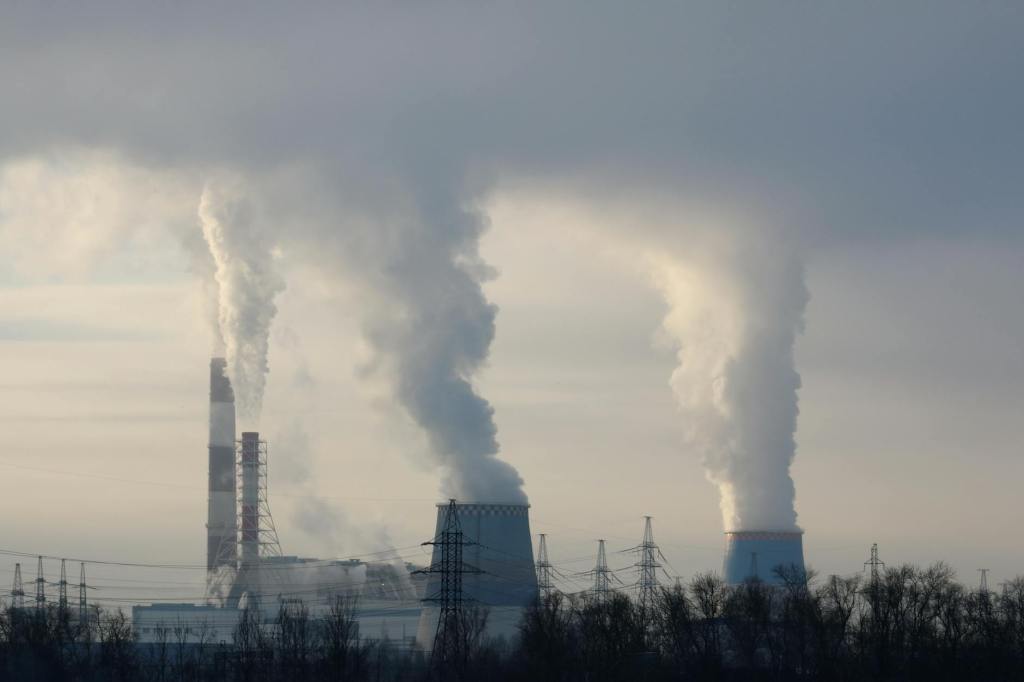
A more appropriate definition is to say that Superfund sites are graveyards of old industrial practices that people convinced themselves would have no long-term effects. They would dump barrels of chemicals and toxic wastes into the rivers and landfills, wipe their hands, and say, “That’s not my problem anymore.”
In New Jersey, specifically, the largest of our 114 Superfund sites is the former Diamond Alkali chemical plant in Newark (which hosts four sites of its own). During the Industrial Revolution, New Jersey was one of the biggest industrial areas in the country, home to various industries like textiles, locomotives, and firearms, all of which generated significant amounts of waste.
Lax regulations allowed industries like textiles and firearms to dump waste freely into the river or leave it out in the open for it to become everyone’s problem (meaning it caused tons of health issues over the years).
During the Vietnam War, Newark ramped up production of Agent Orange, leaving behind dangerous levels of dioxin, a cancer-causing toxin. EPA workers had to wear hazmat suits just to clean the streets. Once the toxic qualities of Agent Orange manufacturing were discovered, the factories did the logical thing, and chucked it all in the Passaic River with all the other waste, never to be seen again (or so they hoped).
The result was decades of unchecked pollution and a landscape dotted with abandoned toxic sites.
Under Superfund, polluters are expected to pay for the cleanup, but in Newark, the situation becomes complicated. There are over 100 companies responsible for many, many polluted areas, and the EPA is expected to enter a metaphorical legal war with all of them, a near-impossible task. If the companies refuse to pay, the bill gets passed to the taxpayers.
The negative effects of these outdated practices are still felt today, and it’s not okay that the ones paying the price are the people instead of the corporations. And the residents of Newark agree. Through years of campaign, letter-writing, and community meetings, the voice of these citizens is being heard. Groups like the Ironbound Community Corporation demand that action be taken by the EPA, and thanks to their persistence, cleanup efforts began anew and awareness spread far beyond Newark.
This story is so special to me because it is a reminder that change doesn’t have to be large-scale to be impactful for one community. For me, stories like this one are the heart of The Nature Diaries, because they show us that environmental activism is just as much about protecting the places important to us as saving distant forests and melting ice-caps.
 the nature diaries
Leave a comment